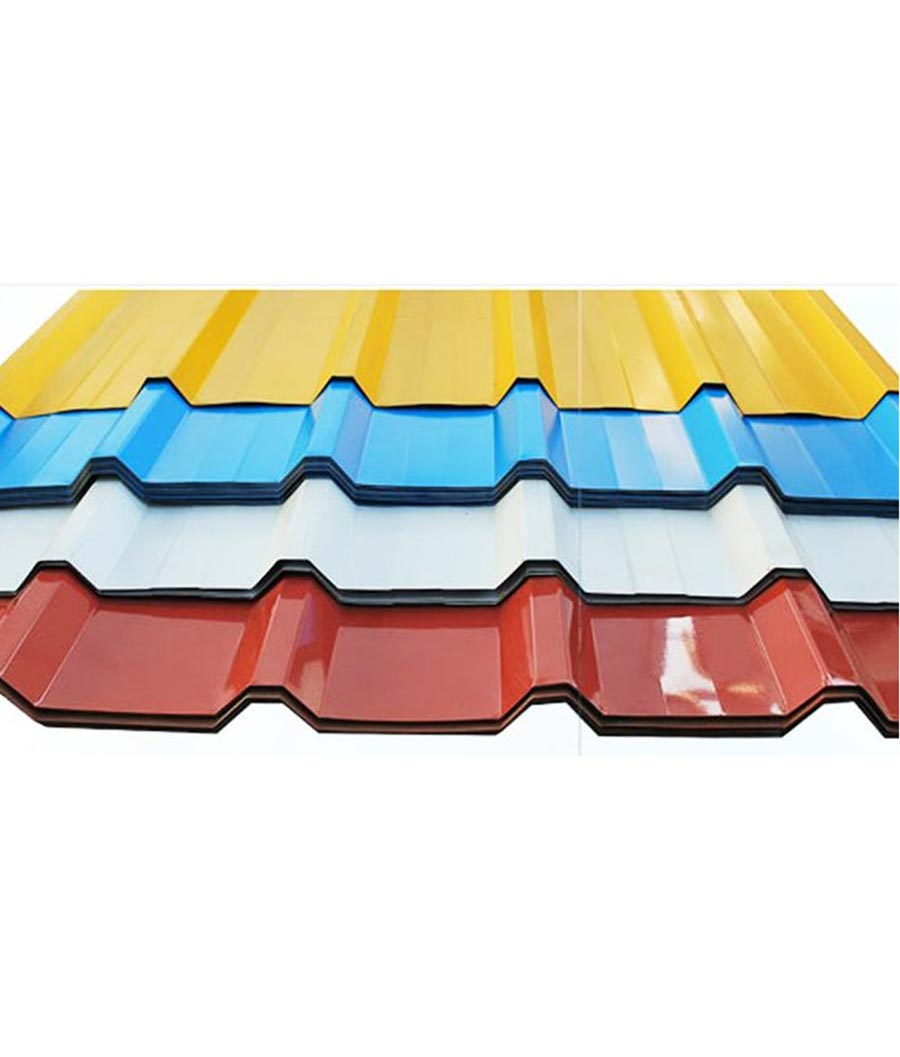
Types of Roof Profile Sheets
Roof profile sheets are categorized based on their shape and design. Common types include:
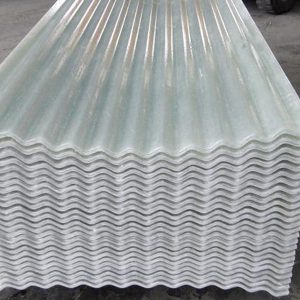
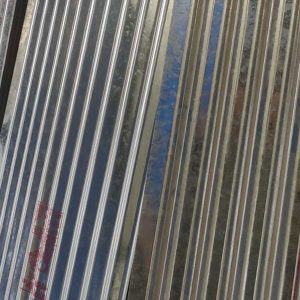
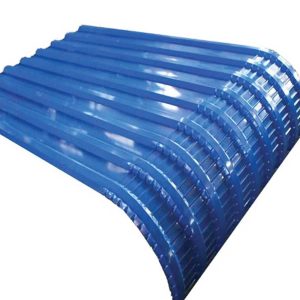
- Corrugated Sheets: Wavy or zigzag pattern; traditional and widely used for its strength and drainage.
- Trapezoidal Sheets: Trapezoidal ridges; provides high strength and is commonly used in industrial roofs.
- Box Profile Sheets: Rectangular or box-shaped ridges; offers a modern look and excellent water drainage.
- Tile Profile Sheets: Mimics the appearance of traditional roof tiles; combines aesthetics with durability.
- Micro Profile Sheets: Small, subtle ridges; used for residential and commercial buildings.
- Standing Seam Sheets: Vertical seams with concealed fasteners; provides a sleek, modern appearance.
Materials Used for Roof Profile Sheets
Galvanized Steel:
- Coated with zinc for corrosion resistance.
- Durable and cost-effective.
Galvalume Steel:
- Coated with a mix of aluminum and zinc.
- Offers better corrosion resistance than galvanized steel.
Aluminum:
- Lightweight and corrosion-resistant.
- Ideal for coastal areas or chemical exposure.
Stainless Steel:
- Highly durable and resistant to rust and corrosion.
- Used in harsh environments.
Copper:
- Premium material with a distinctive appearance.
- Naturally corrosion-resistant and long-lasting.
Color-Coated Sheets:
- Coated with paint or polymer for added protection and aesthetic appeal.
- Available in a wide range of colors.
Benefits of Roof Profile Sheets
- Durability: Resists weathering, corrosion, and UV radiation.
- Lightweight: Easy to transport and install.
- Cost-Effective: Affordable compared to traditional roofing materials.
- Aesthetic Appeal: Available in various colors and profiles to match architectural styles.
- Low Maintenance: Requires minimal upkeep over its lifespan.
- Fire Resistance: Non-combustible and fire-resistant.
- Thermal Efficiency: Can be combined with insulation for energy efficiency.
Applications of Roof Profile Sheets
Residential Roofing:
- Used in homes for durability and aesthetic appeal.
- Commonly used in modern and traditional designs.
Commercial Buildings:
- Offices, retail spaces, and warehouses.
- Provides large, uninterrupted roof spans.
Industrial Buildings:
- Factories, workshops, and storage facilities.
- Offers strength and durability for heavy-duty applications.
Agricultural Buildings:
- Barns, sheds, and greenhouses.
- Provides cost-effective and durable roofing solutions.
Institutional Buildings:
- Schools, hospitals, and community centers.
- Combines functionality with aesthetic appeal.
Installation Process
Preparation:
- Measure the roof area and calculate the number of sheets required.
- Ensure the roof structure is strong enough to support the sheets.
Underlayment:
- Install a waterproof underlayment to prevent leaks.
Fixing the Sheets:
- Align the sheets properly and secure them to the roof structure using screws or clips.
- Overlap sheets to ensure water drainage.
Flashing and Sealing:
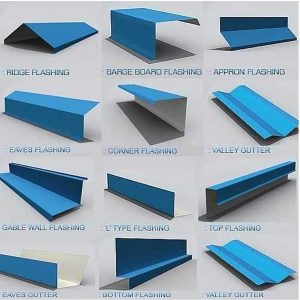
- Install flashing around edges, chimneys, and vents to prevent water ingress.
- Seal joints and overlaps with appropriate sealants.
Finishing:
- Trim excess material and ensure all fasteners are properly tightened.
- Inspect the roof for any gaps or defects.
Reviews
There are no reviews yet.