Types of Canopy Sheets
Polycarbonate Canopy Sheets:
- Lightweight and transparent, allowing natural light.
- UV-resistant and durable.
- Ideal for carports, patios, and greenhouses.
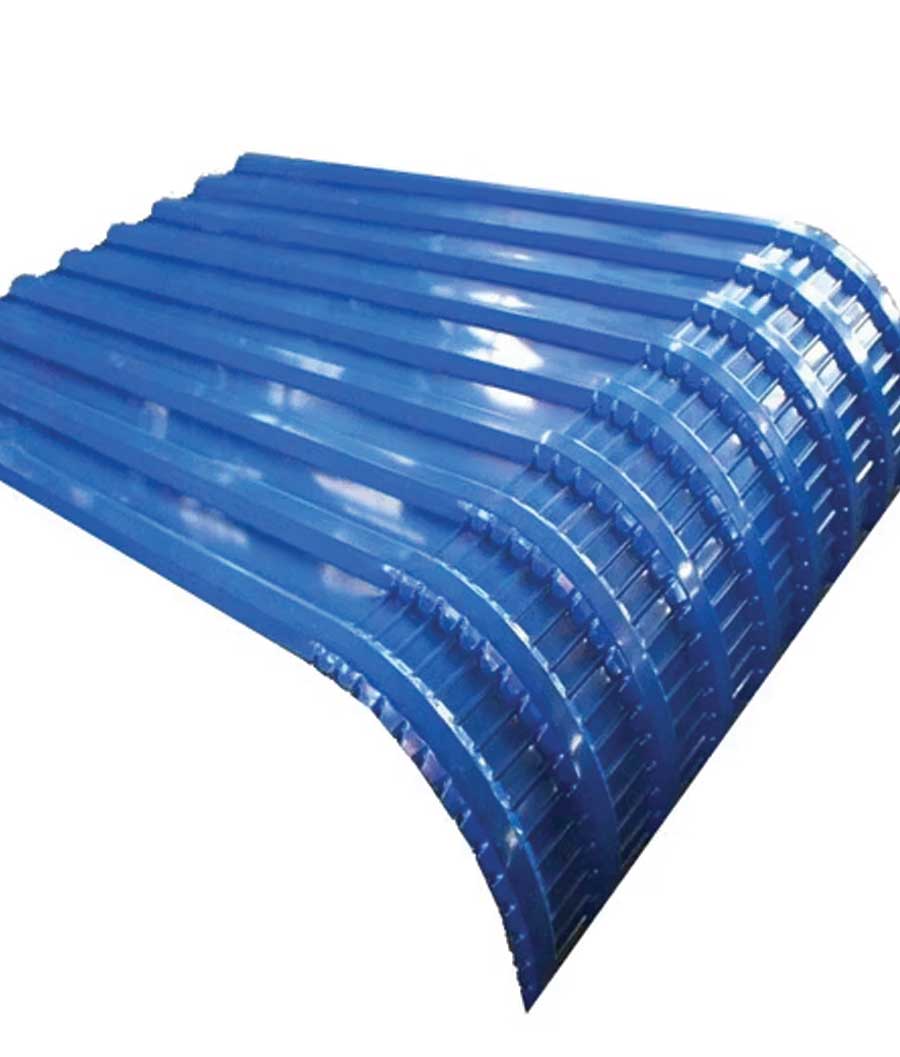
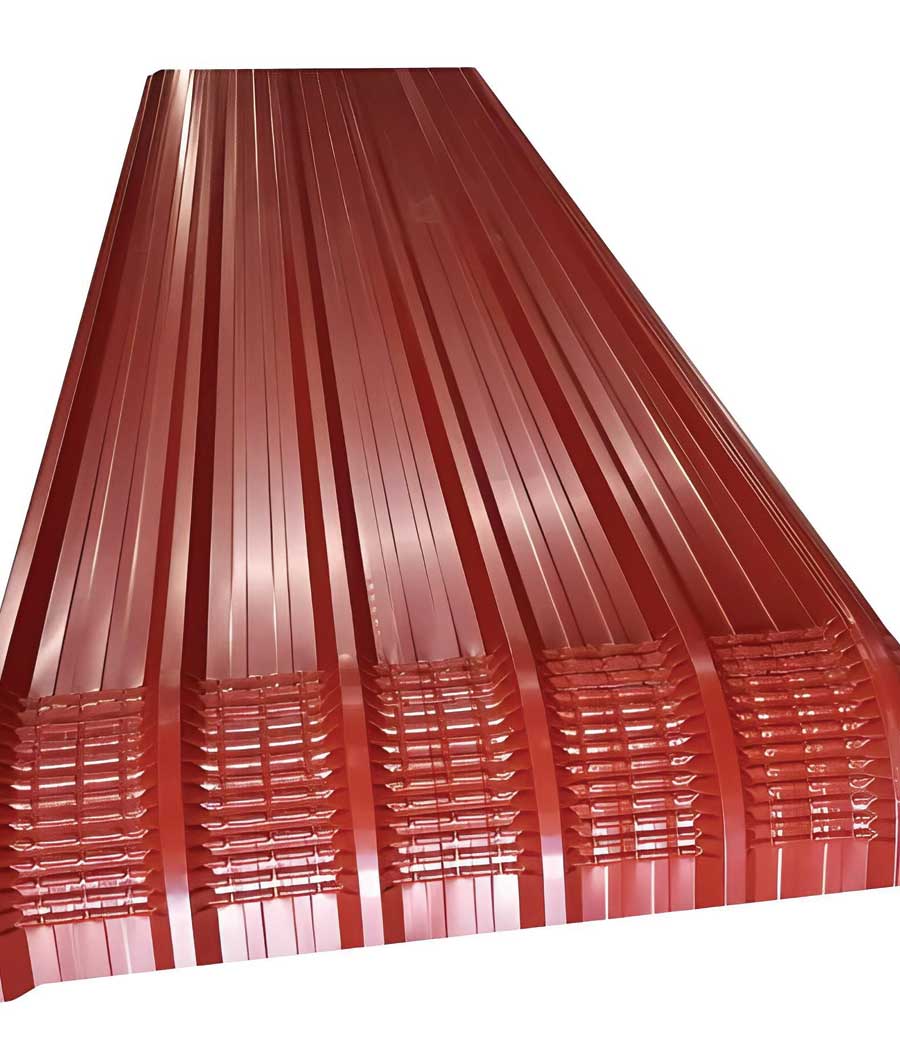
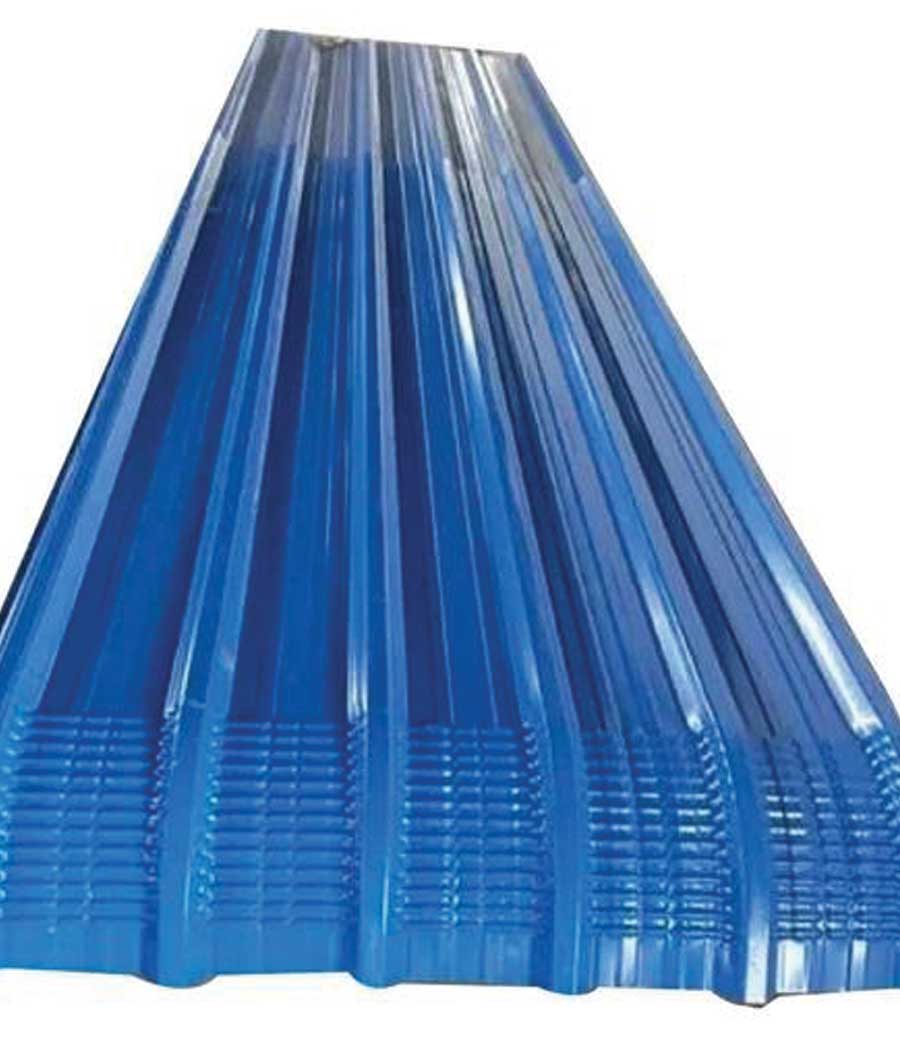
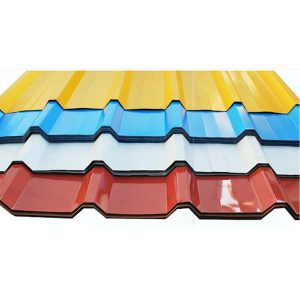
Metal Canopy Sheets:
- Made from galvanized steel, aluminum, or stainless steel.
- Strong, durable, and weather-resistant.
- Suitable for industrial and commercial canopies.
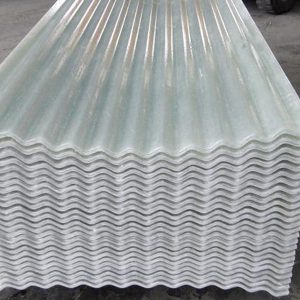
Fiberglass Canopy Sheets:
- Lightweight and durable, with good insulation properties.
- Used in agricultural and industrial settings.
PVC Canopy Sheets:
- Lightweight, waterproof, and cost-effective.
- Commonly used for temporary or low-cost canopies.
Acrylic Canopy Sheets:
- Transparent or translucent, with high impact resistance.
- Used for decorative or architectural canopies.
Fabric Canopy Sheets:
- Made from materials like polyester or PVC-coated fabric.
- Lightweight and flexible, often used for temporary structures.
Applications of Canopy Sheets
Residential:
- Carports, patio covers, and garden shelters.
- Provides shade and protection for outdoor spaces.
Commercial:
- Entrance canopies, walkways, and outdoor seating areas.
- Enhances the aesthetic appeal of commercial buildings.
Industrial:
- Warehouse entrances, loading docks, and storage areas.
- Protects goods and equipment from the elements.
Institutional:
- School courtyards, hospital entrances, and public walkways.
- Provides shelter and improves accessibility.
Temporary Structures:
- Event tents, exhibition booths, and construction site covers.
- Easy to assemble and disassemble.
Installation Process
Design and Planning:
- Determine the size, shape, and material of the canopy.
- Ensure the structure is strong enough to support the canopy sheets.
Fabrication:
- Cut and shape the canopy sheets to fit the design.
- Use specialized tools for precise cutting and bending.
Preparation:
- Install the supporting framework (e.g., steel or aluminum frames).
- Ensure the framework is level and secure.
Installation:
- Fix the canopy sheets to the framework using screws, clips, or adhesives.
- Ensure proper alignment and sealing of joints.
Finishing:
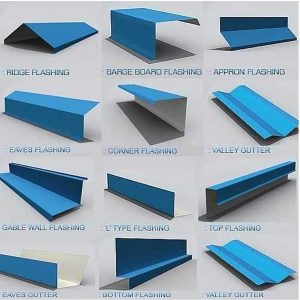
- Seal edges and joints to prevent water leakage.
- Apply protective coatings if necessary.

Reviews
There are no reviews yet.