Skip to content
Basic Steel FormHot Roll
Basic Steel Form
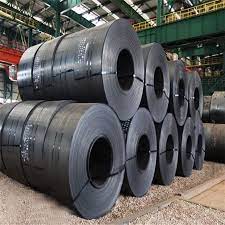
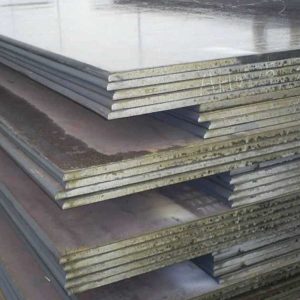
Hot Rolled Steel
Process
- Heated above 1,700°F (925°C) (re-crystallization temperature).
- Passed through rollers to shape into sheets, plates, or structural sections (I-beams, channels).
- Cooled naturally, leading to slight scaling (mill scale).
Characteristics
- Rough, scaled surface (requires removal for painting/welding).
- Lower dimensional precision (±0.01″ tolerance).
- Softer and more ductile (easier to form).
- Internal stresses relieved (good for welding).
Common Uses
- Structural beams (I-beams, H-beams).
- Railroad tracks, shipbuilding.
- Metal plates for heavy machinery.
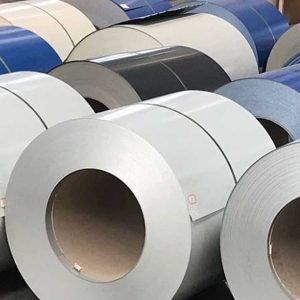
Cold Rolled Steel
Process
- Starts as hot rolled steel, then further processed at room temperature.
- Rolled to precise thickness, annealed (heat-treated) for strength.
- May undergo surface finishing (galvanizing, coating).
Characteristics
- Smooth, polished surface (ready for painting/coating).
- Tighter tolerances (±0.001″ precision).
- Harder and stronger (less ductile than hot rolled).
- More expensive due to extra processing.
Common Uses
- Automotive body panels.
- Appliances (refrigerators, washing machines).
- Furniture, metal cabinets.
- Precision parts (shafts, gears).
Reviews
There are no reviews yet.